Colorado Trail


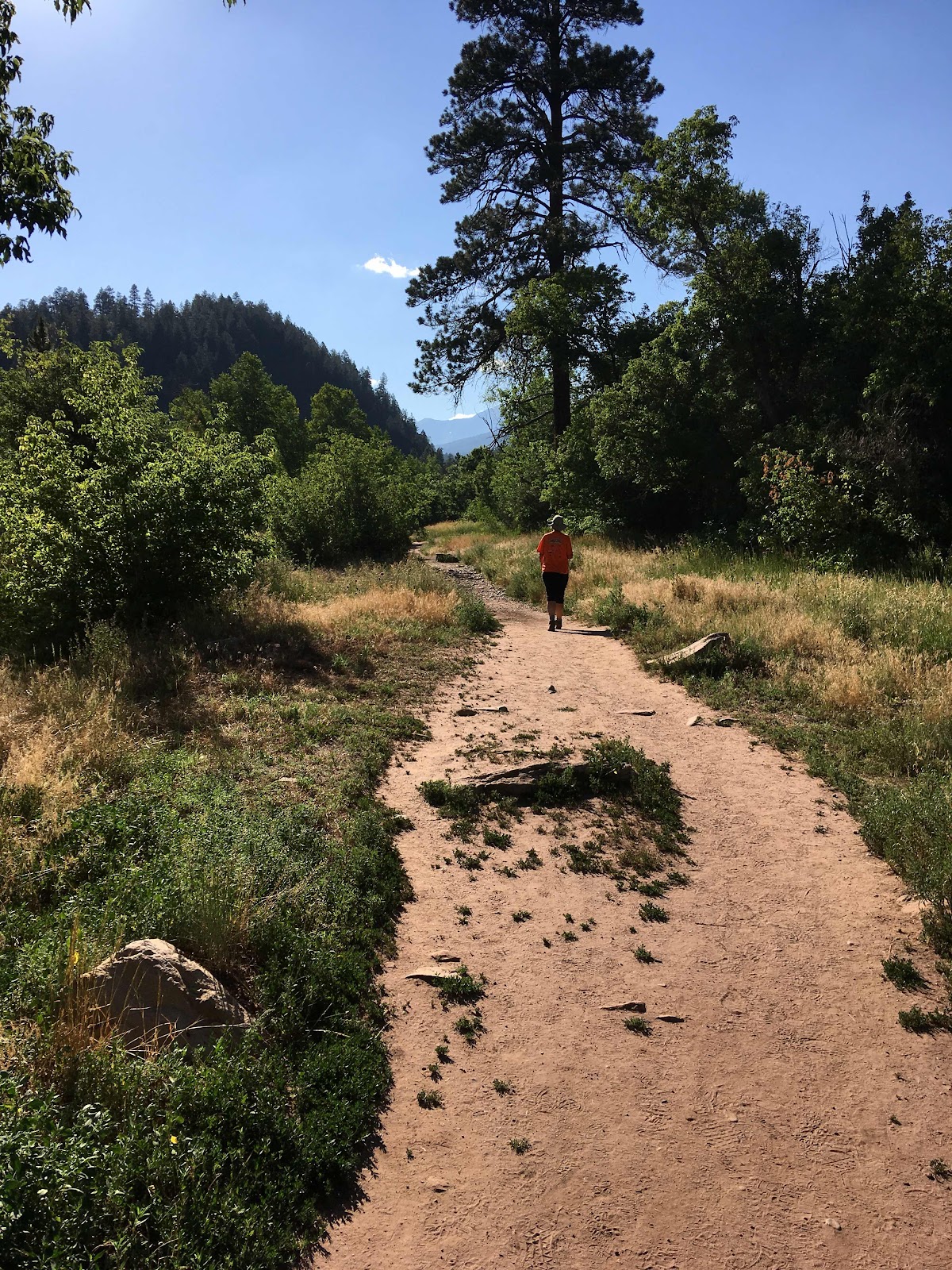
The Colorado Trail is a 485 mile-long footpath stretching from Denver to Durango. This blog follows our progress as we hike south.

Friday, July 19, 2019

Road Trip


We escaped the hot Midwest and made it to Colorado on Monday the 15th. A friend in Denver provided a place to sleep and this became our base camp for the next few days while we acclimatized.


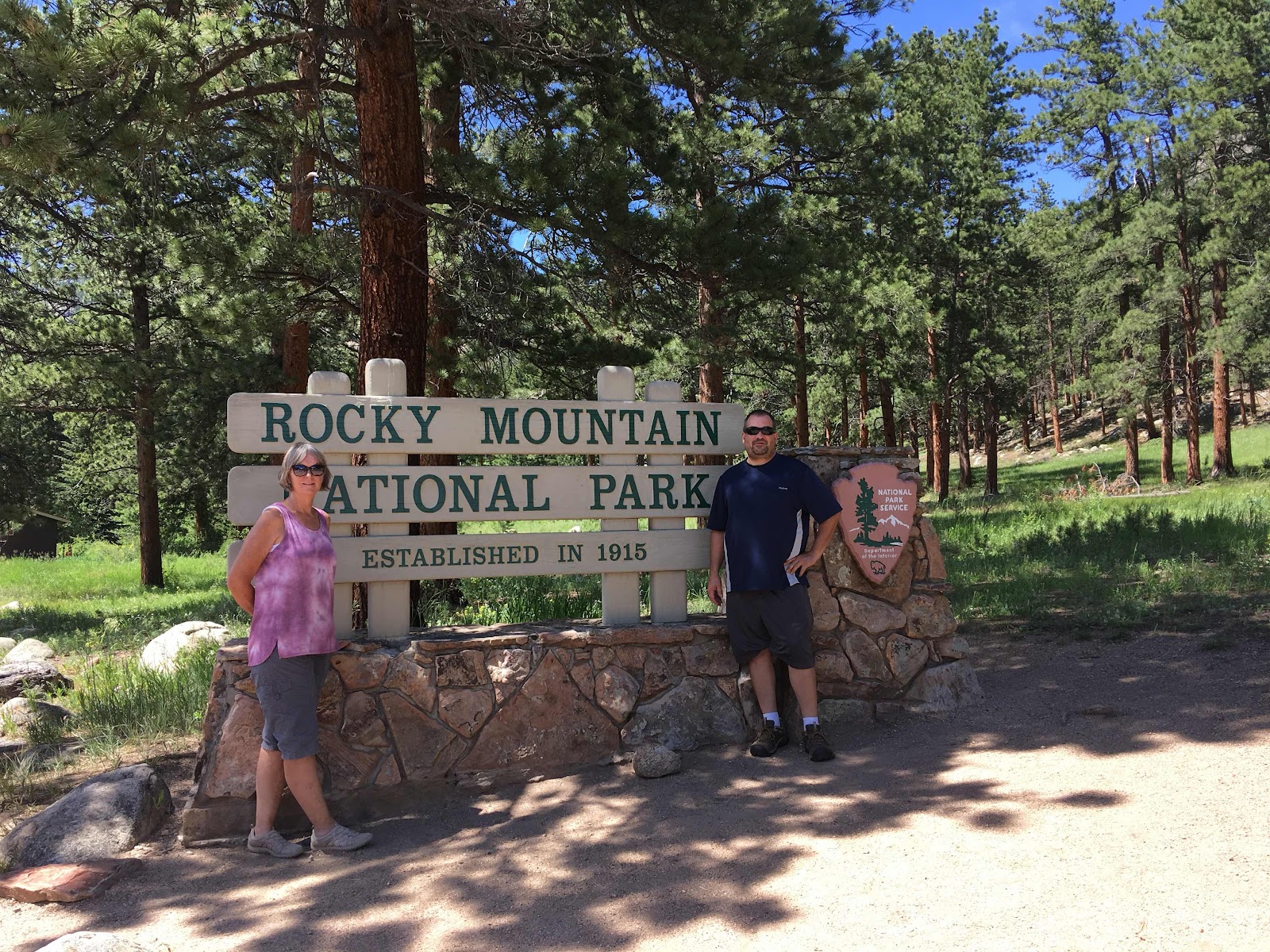
A side trip to Rocky Mountain National Park took a few days and was worth it. Neither of us had been there before.


We then headed south to Alamosa (Hi Rocky!) and eventually to Durango where we will be leaving our truck at the end of the trail.

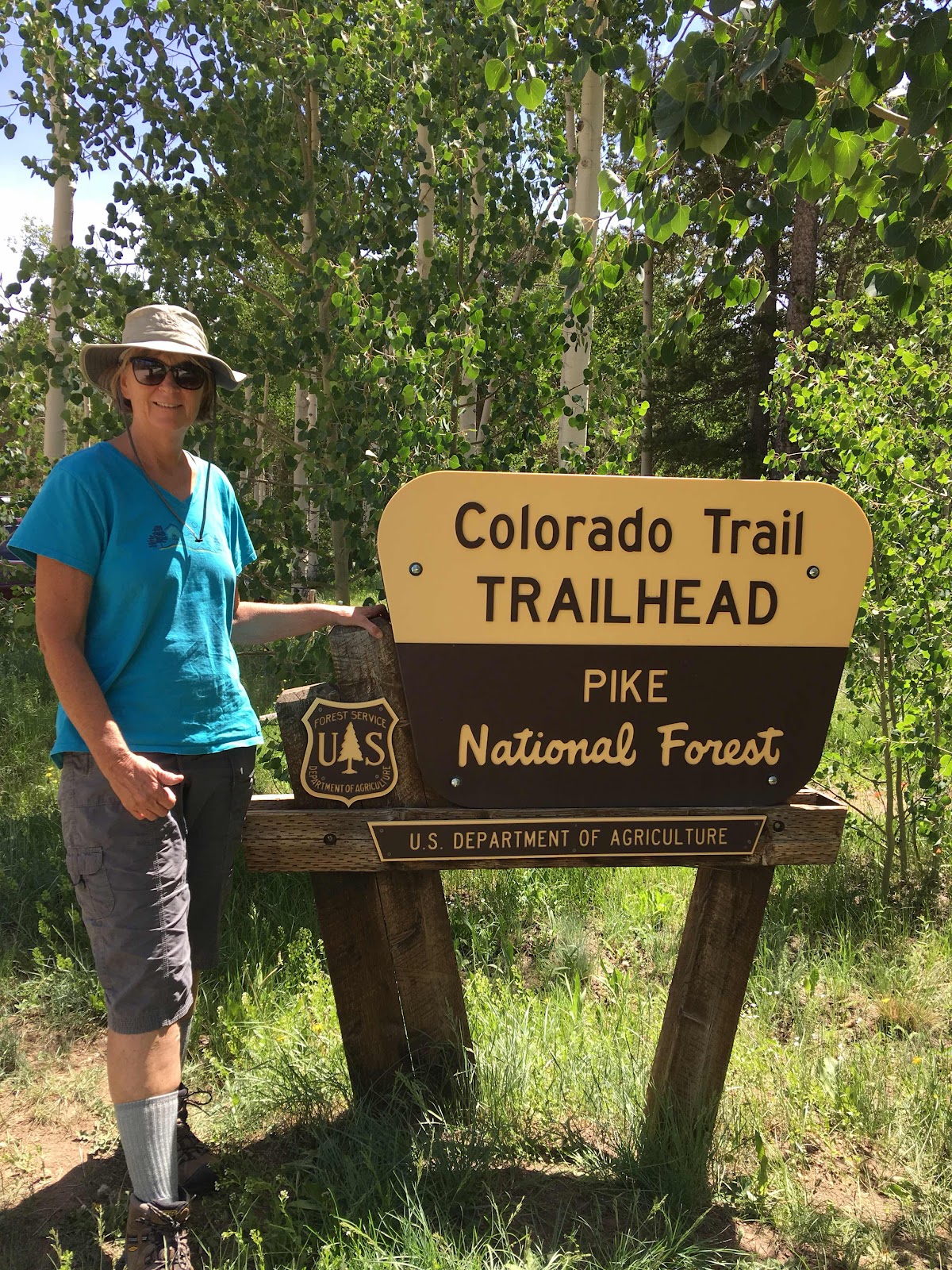
Trailhead at Kenosha Pass.

Trailhead at Kenosha Pass.


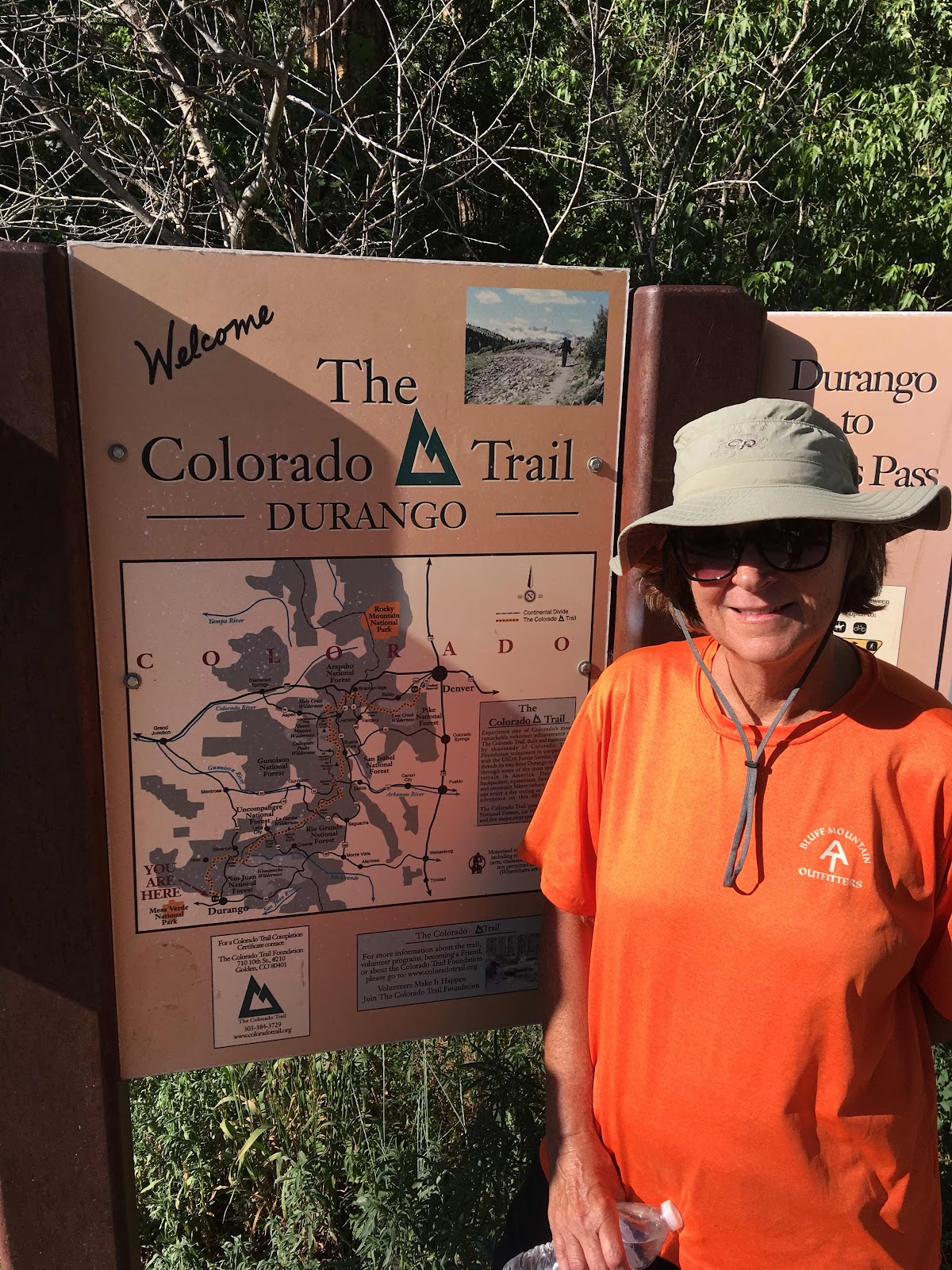
End of the trail in Durango. We should be back here in seven weeks!

Sunday, July 7, 2019

Food for 500 miles

Food boxes, 2013.
On the AT we had food boxes mailed to ourselves along the way. There were 19 of them for the 2200 mile journey. For the CT we will be doing about the same thing, except there will only need to be 4 boxes mailed to us. Even with the boxes, as on the AT, we still need to shop at a grocery in each town we stop at for lunch foods, cheese, salami, breads, fresh fruit, etc.

We will be having a mixture of home made dehydrated meals and commercially available ones in order to try to have a varied menu. We have a dehydrator and a vacuum sealer and so with a little experimentation have can come up with some decent recipes that work. Chili and spaghetti, for example, are easy to make and turn out pretty good once re-hydrated in camp.

White chili stew.


After being dehydrated.


Vacuum sealed and ready to go.


Food boxes getting ready for the CT.
At this point I realized the boxes were
too small and had to get more.


Saturday, July 6, 2019

Packs


Our AT packs in 2013.


For the AT we both used a Ray-Way backpack, which comes as a DIY kit to sew yourself. Compared to the tarp, it is quite a sewing challenge. They are basically a simple large compartment bag with three mesh outside pockets. They weigh only 11 oz, compared to some other packs in the 2+lb range. They have a capacity of 2600 cu in, or about 42L. This was our pack evolution after using the GoLite Gust for a few years. Both of our Ray-Way packs survived the AT and for the CT we will be using basically the same thing. We will have new ones, however, because like our hammocks, the old ones from the AT just smelled too bad, not because they were worn out.


Kristie's new pack for the CT.

Mark's new pack for the CT.

Thought this should go here.

Ray-Way packs #3&4 for us in progress, 2018.
Taking the new packs on a test run.


Friday, July 5, 2019

Hammocks


Typical setup on the AT.


The first hammocks we had for backpacking were Speer, which is just a simple rectangular gathered end hammock with a knot on the end for the attachment point, rather than a sewn channel. Both of our hammocks that we used on the AT were similar and had to be replaced shortly thereafter because they smelled so bad, not because they were worn out. So we both have relatively new hammocks made out of 1.9oz/yd nylon.

Our newer camo hammocks and Ray-Way tarp.


I did change the suspension on our hammocks for the CT after watching too many Jeff Myers videos. This is where the Amsteel cordage comes in. After several trials, I finally settled on this for our hammock suspension systems. This will also allow adjustment right at the end of the hammock rather than having to adjust the knot at the tree, as we had to do on the AT.

Not the final version, but close.


Soft shackles made out of Amsteel.


Wednesday, July 3, 2019

Tarps


In 2013, we used two Ray-Way tarps for our AT thru-hike, and they worked great in tandem with our hammocks. The materials come as a kit and you have to sew it together yourself. We had no problems with the tarps the entire 2000 miles. So, I expected to use Ray-Way tarps again for the Colorado Trail, and had purchased two kits a few years ago but had never gotten around to actually sewing them together. 

A year ago, after realizing that this CT trip was going to happen, I dug them out and began to put them together. Rearranging our backpacking kits, and trying to save weight for the CT, for these tarps I left off the beaks and made the length of the tarp 10', which is 6" shorter than our AT tarps. These tarps are made of 1.1oz/yd silnylon, and when done weighed 1.1 lbs for the tarp and 6 stakes combined. Which is not bad...


Tarp sewing complete, ready to attach guylines.


Ray-Way tarp

However, in the past 10 years the cottage industry for backpacking gear has exploded, especially in regard to hammocks and tarps. It is hard to keep track of all the different hammock brands anymore, there are so many. New materials have also been developed in the real world for practical uses, and some have been hijacked into the hammock universe. Amsteel blue cordage, developed for use in the maritime world, being one example. We use it in our hammock suspensions. The other is Dyneema fabric, originally designed for use in the sails of racing sailboats. It is still rather new and a little pricy, but it weighs 0.51oz/yd, as compared to 1.1oz/yd for silnylon. It is also 100% waterproof, while the silnylon is really only 99.9%. You notice the difference.


Zpacks hammock tarp
Although you could buy the Dyneema fabric and sew one yourself, as advertised a Zpacks hammock tarp weighs 7oz, is 11' long, and is over half the weight of our existing tarps. This was hard to pass up, so for the CT we will be using two of these made out of the Dyneema fabric. They weigh 0.5 lbs with the same 6 stakes as before included. To hold one, it is amazingly light, to the point where it makes me a little nervous about the durability. But I know other backpackers are using them without problems, so I guess time will tell.